Mastering Cold Chain Management: Protecting Product Integrity from Production to Shelf
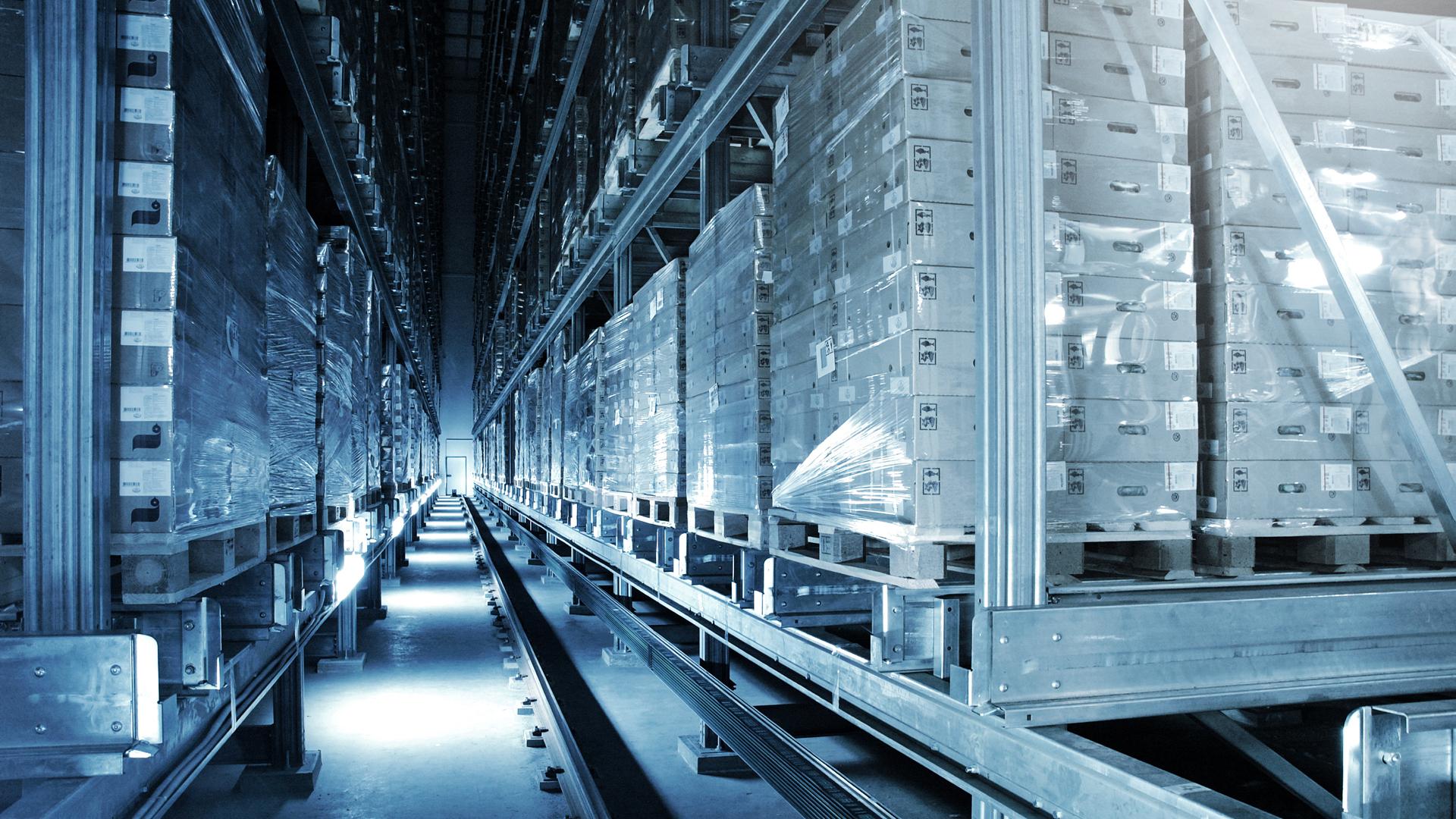
For CPG manufacturers who produce perishable or temperature-sensitive products, the cold chain is where quality is either protected or quietly destroyed. A single break in temperature control can compromise an entire shipment, trigger a costly recall, or erode the consumer trust that took years to build. Yet cold chain management remains one of the most underappreciated disciplines in CPG operations, often treated as a logistics afterthought rather than the strategic priority it deserves to be. In 2026, with tightening regulations and rising consumer expectations, getting the cold chain right has never mattered more.
Why the Cold Chain Deserves Your Full Attention
The stakes are significant. The USDA estimates that 30 to 40% of the U.S. food supply is lost or wasted, and a meaningful portion of that loss happens because of temperature abuse somewhere between the production line and the retail shelf. For manufacturers of chilled foods, frozen goods, beverages, and temperature-sensitive dietary supplements, every degree of variance represents both a financial risk and a food safety liability.
The cold chain is not a single handoff. It is a continuous sequence of custody transfers that begins the moment a product comes off the line and does not end until the consumer takes it home. Production cooling, cold storage, loading, transport, cross-docking, distribution center handling, and last-mile delivery each introduce an opportunity for failure. The manufacturers who excel treat the cold chain as an unbroken system rather than a series of disconnected steps, and they build visibility and accountability into every link.
1. Define and Enforce Your Temperature Zones
Effective cold chain management starts with a clear understanding of the temperature requirements for every product you make. Most CPG operations deal with several distinct zones: frozen storage at or below 0 degrees Fahrenheit, refrigerated or chilled product in the 34 to 38 degree range, and controlled ambient environments in the 55 to 75 degree range where humidity also needs to be managed. Some facilities juggle all of these simultaneously across different product lines.
The mistake many manufacturers make is treating temperature specifications as loose guidelines rather than hard limits. Each product should have documented parameters, including the acceptable temperature range and the maximum allowable time out of environment, sometimes called TOE. A frozen dessert that sits on a warm loading dock for 45 minutes may not show any visible damage, but the quality degradation and food safety exposure are real. Clear specifications, backed by training and accountability, keep these silent failures from slipping through.
2. Move From Spot Checks to Continuous Monitoring
For decades, the standard practice was to check temperatures at the point of arrival. A driver pulls in, someone takes a reading, and if the number looks right, the shipment is accepted. The problem with this approach is obvious in hindsight: it tells you the temperature at one moment, not what happened during the eight hours the product spent in transit. A load can spike well above its safe range mid-route and recover before arrival, leaving no trace in an arrival-only check.
Continuous monitoring has become the new baseline. Modern data loggers and IoT sensors record temperature at frequent intervals throughout the entire journey, and connected systems can send real-time alerts the moment a reading drifts out of range. This shift matters for two reasons. First, it allows teams to intervene while a problem is still fixable, rerouting a shipment or dispatching a repair before the product is lost. Second, it creates a complete, defensible record that proves compliance and protects the manufacturer if a dispute or investigation arises.
For small and mid-size manufacturers, this technology is far more accessible than it once was. Cloud-based monitoring platforms have brought the cost down dramatically, and many carriers and third-party logistics providers now offer integrated tracking as a standard part of their service.
3. Prepare for FSMA 204 and Rising Traceability Demands
Regulatory expectations around the cold chain have tightened considerably. The FDA Food Safety Modernization Act, and in particular the Section 204 traceability rule, has raised the bar for how manufacturers track high-risk foods through the supply chain. Companies are now expected to maintain detailed records tied to lot, batch, and expiration data, and to be able to produce that information quickly when it is requested.
Under the Sanitary Transportation Rule, responsibility for maintaining safe temperatures is shared between shippers and carriers, which means manufacturers cannot simply hand off a load and assume the risk transfers with it. Documentation is no longer a nice-to-have. It is a baseline requirement for doing business with major retailers, many of whom now impose traceability and temperature standards that go beyond what regulators require. Building the systems to capture this data now, rather than scrambling when an audit or recall hits, is one of the smartest operational investments a CPG manufacturer can make.
4. Apply FEFO Rotation and Smart Inventory Discipline
Cold chain integrity is not only about temperature. It is also about time. Perishable products have a finite shelf life, and how you rotate inventory has a direct impact on how much you lose to expiration. First Expired, First Out, or FEFO, should be the governing principle in any temperature-controlled operation. Unlike the more familiar First In, First Out approach, FEFO prioritizes the product closest to its expiration date regardless of when it arrived, which is exactly what perishable inventory demands.
Executing FEFO well requires accurate lot tracking and a warehouse management system that can guide pickers to the right product. Manual rotation based on visual date checks is error-prone and breaks down under high volume. When FEFO is enforced through technology and reinforced through training, manufacturers see measurable reductions in spoilage, fewer write-offs, and better on-shelf freshness for the consumer.
5. Choose the Right Cold Storage and Logistics Partners
Few CPG manufacturers own their entire cold chain, which makes partner selection a critical decision. The cold storage landscape in 2026 has shifted in important ways. Distribution pressure is moving away from coastal entry points toward inland hubs in regions like Chicago, Dallas, and Atlanta, driven by the need to serve retail, independent grocery, and direct-to-consumer channels from the same inventory.
When evaluating cold storage and transportation partners, look beyond raw square footage. What matters most is functional capacity: the ability to handle high-SKU, high-turnover environments, to perform kitting and repacking within temperature-controlled zones, and to integrate visibility across warehouse, ERP, and electronic data interchange systems. A partner who can share real-time temperature and location data, rather than a monthly summary, becomes an extension of your own operation. The relationship and the technology matter as much as the cubic footage.
6. Build a Cold Chain Excursion Response Plan
Even the best-run cold chain will occasionally experience an excursion, which is the industry term for a temperature deviation outside the acceptable range. The manufacturers who handle these events well are the ones who planned for them in advance. A clear response plan removes guesswork and emotion from a high-pressure moment, and it protects both product safety and the bottom line.
A strong plan defines who gets notified when an alert fires, what data needs to be gathered, and how the disposition decision gets made. Not every excursion means the product must be discarded. With documented temperature history and clear scientific criteria, a quality team can often make a defensible call to release, hold, or reject a shipment based on the actual exposure. The key is having those decision rules established ahead of time, ideally with input from food safety experts, so that responses are consistent, compliant, and fast.
Turning Cold Chain Discipline Into a Competitive Edge
A well-managed cold chain does more than prevent losses. It becomes a genuine competitive advantage. Manufacturers who can consistently deliver fresh, safe, high-quality product build stronger retailer relationships and earn the shelf space that comes with reliability. When a buyer knows your product will always arrive in spec, you become a partner they can count on rather than a vendor they have to monitor.
The path to cold chain excellence does not require overhauling everything at once. Start by mapping your current cold chain end to end and identifying where visibility gaps and handoff risks exist. Then prioritize the improvements that address your greatest vulnerabilities, whether that is upgrading monitoring, tightening temperature specifications, improving inventory rotation, or strengthening partner accountability.
At Streamline CPG Solutions, we help manufacturers assess and strengthen their cold chain operations, from temperature zone design and monitoring strategy to traceability compliance and logistics partner evaluation. With over 20 years of hands-on experience in CPG operations, we understand that every product and every supply chain has its own risk profile, and we tailor our recommendations to your specific needs.
Your product's quality is only as strong as the weakest link in your cold chain. Protecting that chain is protecting your brand. Reach out to our team to discuss how we can help you build a cold chain that keeps your product safe, compliant, and consistently excellent from production to shelf.