Packaging EPR Is Here: What CPG Manufacturers Need to Know
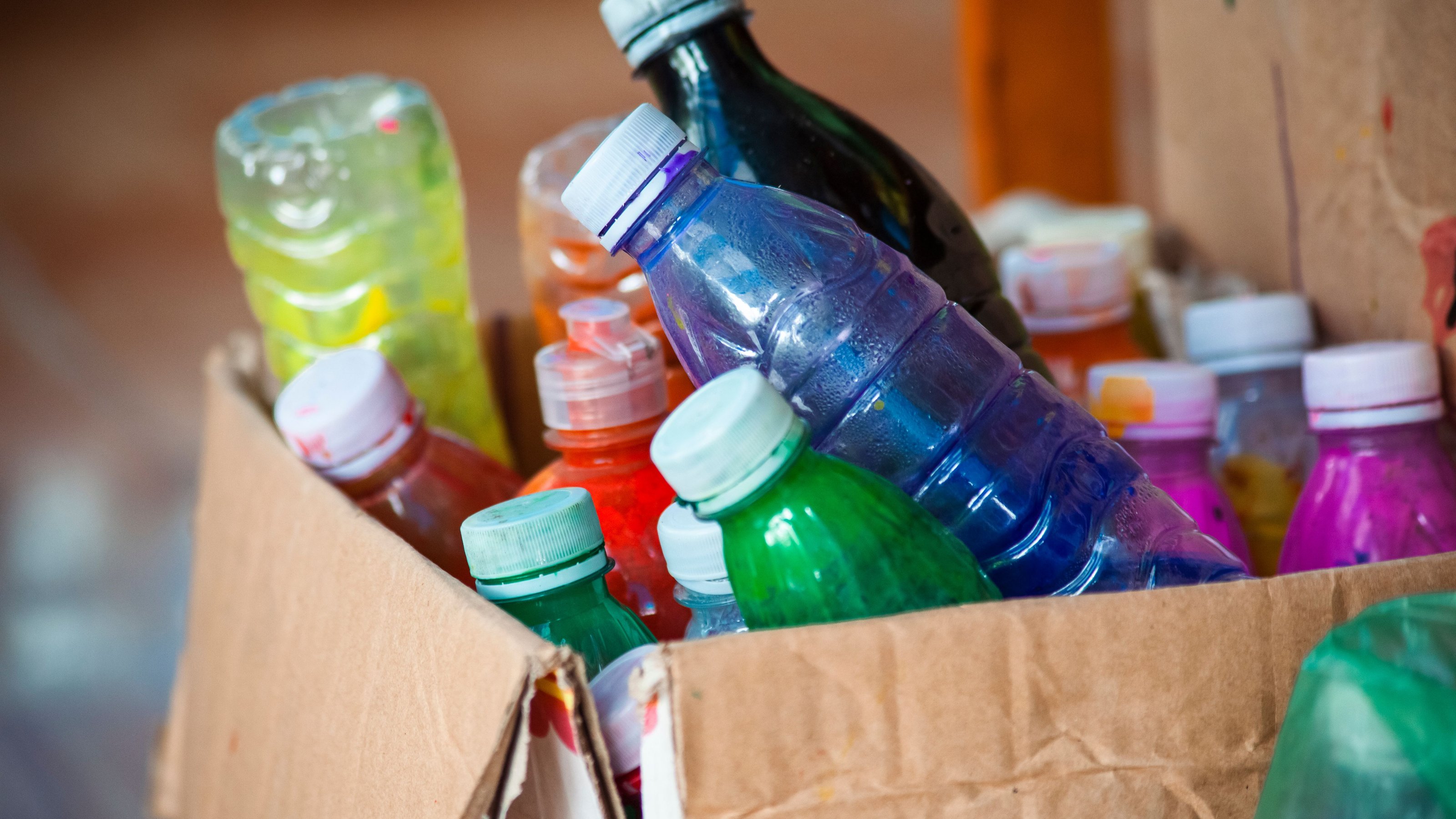
For years, packaging decisions in most CPG companies came down to three questions. Does it protect the product? Does it look good on shelf? What does it cost? A fourth question has now joined the list, and it carries a real invoice: what happens to this package after the consumer throws it away? Extended Producer Responsibility laws for packaging, usually shortened to EPR, have moved from policy debate to active programs with registration deadlines, reporting obligations, and fees. If you sell packaged goods in the United States, there is a good chance these laws already apply to you.
What Packaging EPR Actually Means
The idea behind EPR is simple. Instead of cities and taxpayers covering the cost of collecting, sorting, and recycling packaging, the companies that put that packaging into the market pay for it. In practice, producers join a Producer Responsibility Organization (PRO), report how much packaging they sell into each state and what it is made of, and pay fees based on that data. The PRO then uses the money to fund recycling infrastructure and improvements to collection systems.
Europe and Canada have run programs like this for decades. What is new is the pace in the U.S. As of this writing, seven states have enacted packaging EPR laws: California, Colorado, Maine, Maryland, Minnesota, Oregon, and Washington. The Circular Action Alliance (CAA) serves as the PRO in most of them, but each state keeps its own definitions, deadlines, and fee rules. That patchwork is the real challenge for manufacturers.
Where Things Stand in Late 2026
The states are at very different stages. Oregon's program has been running since July 2025, and producers there are already paying fees. Colorado started collecting producer dues in January 2026. California's SB 54 regulations took effect in May 2026, with producer registration and baseline reports due over the summer and an early fee invoiced in August. A fuller, material-based fee schedule is expected to start in 2027.
Elsewhere the timelines stretch further out. Minnesota, Washington, and Maryland require registration or reporting now, but their fees are not expected until later in the decade. Maine, the first state to pass a packaging EPR law, has hit delays in setting up its program. Meanwhile, New York, New Jersey, Illinois, and Massachusetts have all considered similar bills. Legal challenges are working their way through the courts in Oregon, California, and Colorado, but so far none of them has stopped the programs from operating.
The practical takeaway: waiting for the dust to settle is not a strategy. The rules will keep changing, and companies that build good data and processes now will adapt much more easily than those scrambling to catch up after a missed deadline.
1. Confirm Whether You Are the Producer
The first question sounds basic, yet it trips up a lot of companies. Under most state laws, the obligated producer is the brand owner. If the brand owner has no presence in the state, the obligation can shift to the importer, distributor, or retailer. For brands that rely on a co-manufacturer or co-packer, the responsibility usually stays with the brand, not the company that physically filled the package.
Several states offer exemptions for small producers, typically based on annual revenue or the volume of packaging sold. The thresholds differ from state to state, so a company might be exempt in one place and fully obligated in another. Map out every state where your products are sold, including through online channels and distributors, and check your status in each one. Do not assume an exemption applies until you have confirmed it.
2. Get Your Packaging Data in Order
Ask most operations teams what EPR compliance really involves, and the honest answer is data. To report accurately, you need to know, for every SKU, each packaging component (bottle, cap, label, shrink sleeve, carton, tray, film), its material type, its weight, and in many cases its recycled content. Then you need to connect that to how many units were sold into each state.
Very few small and mid-size manufacturers have this information in one place. It tends to live in supplier spec sheets, old artwork files, ERP item masters, and the memory of whoever designed the package. Building a clean packaging database takes time, but it pays off beyond compliance. The same information supports cost reduction, supplier negotiations, and sustainability claims.
One point is easy to overlook. When you have to estimate a figure, such as state-level sales for product that moves through a distributor, document how you arrived at it. Regulators and PROs care about methodology, and a missing explanation is one of the most common reasons reports get challenged.
3. Understand How Fees Are Calculated
EPR fees are generally based on the weight and type of material you sell into a state. Many programs go a step further with a concept called eco-modulation, which adjusts fees according to how recyclable or sustainable a package is. Packaging that is hard to recycle, such as multi-layer flexible pouches or mixed-material formats, tends to carry higher fees. Easily recycled formats, or packages with meaningful recycled content, may earn lower rates or bonuses.
The approach varies. Colorado already uses eco-modulated dues, and California's proposed 2027 schedule builds them in as well. Oregon currently offers bonuses tied to qualified life cycle assessments rather than penalties. What this means for you is that packaging choices now have a direct, recurring cost attached to them, one that will show up every year for as long as the package stays on the market.
4. Review Your Packaging Design With Fresh Eyes
Once fees are tied to material choices, packaging design becomes an operations and finance issue, not only a marketing one. A focused packaging review often turns up quick wins. Look for components you can eliminate entirely, like an outer carton that exists mainly for shelf presence. Check whether packages are oversized for what they hold. Consider moving from mixed materials to mono-material structures that recycling facilities can actually process.
Any change has to be weighed carefully. Packaging protects shelf life, prevents damage in transit, and in the food and supplement categories it has to meet strict safety requirements. Lighter packaging that leads to more broken product or shorter shelf life is not a win. Run changes through proper testing, and involve quality, operations, and your co-manufacturer early so a new format does not create problems on the line.
Pay attention to on-pack claims too. California's SB 343 restricts when a package can display the recycling symbol or call itself recyclable. If your artwork carries recyclability claims, make sure they still hold up under the current rules.
5. Bring Your Suppliers Into the Process
Your packaging suppliers hold much of the information you need, and many of them are fielding the same requests from all their customers. Ask them for detailed component specifications, including material composition, weights, and recycled content, and make providing that data a standard expectation in new supplier agreements.
Suppliers are also a good source of ideas. They see what other brands are doing to reduce material or switch to more recyclable formats, and they can often suggest alternatives that run on your existing equipment. Treating them as partners in this effort, rather than just vendors, tends to produce better results on both cost and compliance.
6. Build EPR Into Your Costs and Your Calendar
EPR fees are a real cost of goods, and they should be treated that way. Factor projected fees into product costing, pricing discussions with retailers, and annual budgets. For brands with thin margins, a new fee per unit can matter more than it first appears, especially as more states turn their programs on.
Put the deadlines on a shared calendar as well: registration dates, reporting windows, and payment due dates for every state where you sell. Assign a clear owner for EPR compliance. In smaller companies this often falls between operations, finance, and regulatory, and when everyone shares responsibility, deadlines slip. Finally, keep an eye on the litigation and new legislation. A quarterly check-in on regulatory changes is usually enough to stay ahead.
Turning Compliance Into an Advantage
It is tempting to see packaging EPR as one more administrative burden, and for many companies the first year will feel that way. But the manufacturers who handle it well tend to come out ahead. They end up with cleaner data, leaner packaging, lower material costs, and sustainability claims they can actually back up. Retailers and consumers are paying closer attention to packaging every year, so that combination carries real commercial value.
The best starting point is an honest look at where you are today. Which states are you selling into? Do you know your status in each one? How complete is your packaging data? Answering those three questions will tell you how much work lies ahead and where to begin.
At Streamline CPG Solutions, we help food, beverage, supplement, and consumer products manufacturers get ready for packaging EPR. That includes building packaging data systems, reviewing packaging for cost and recyclability, coordinating with suppliers and co-manufacturers, and setting up a compliance process that fits the size of your business. With over 20 years of hands-on CPG operations experience, we focus on practical steps that keep you compliant without slowing down your operation.
If you are unsure where your company stands, or you know there is work to do and need help getting started, reach out to our team. We would be glad to talk through your situation.