Quality Control Best Practices for CPG Manufacturers
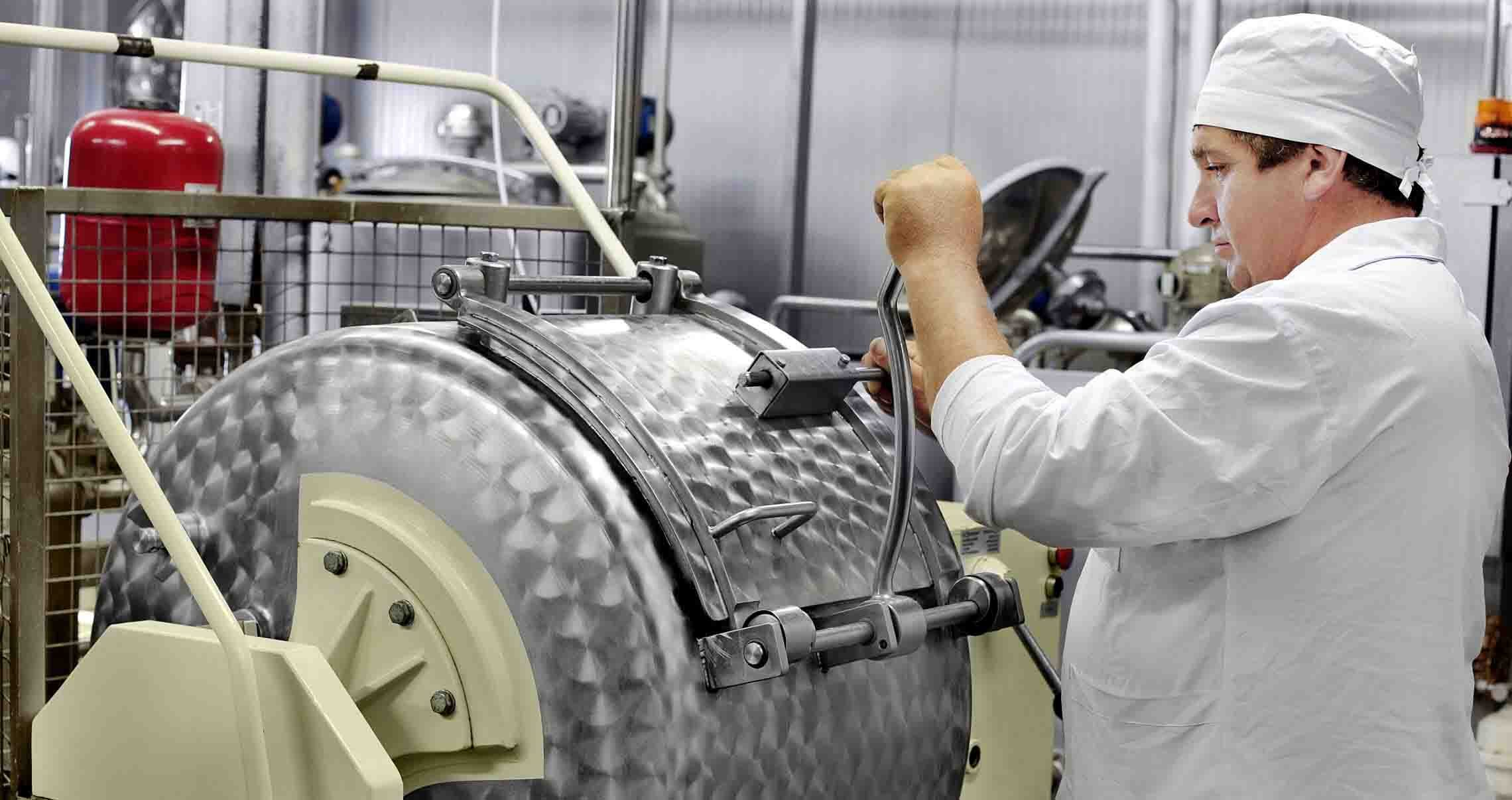
In the competitive CPG landscape, product quality is not just a manufacturing concern. It is a brand promise. A single quality failure can damage consumer trust built over years, trigger costly recalls, and create regulatory headaches. Implementing robust quality control systems is essential for protecting reputation and ensuring long-term success.
Establish a Quality Management System (QMS)
A comprehensive Quality Management System provides the framework for all quality activities. Whether implementing ISO 9001, FSSC 22000, or industry-specific standards, a formal QMS ensures consistency, traceability, and continuous improvement.
The QMS should document all processes, from raw material receiving to finished product release. This includes standard operating procedures (SOPs), work instructions, and quality records. Regular audits verify compliance and identify opportunities for enhancement.
Implement Incoming Material Inspection
Quality control begins before production starts. Rigorous incoming material inspection ensures only approved, specification-compliant materials enter manufacturing. This includes verifying certificates of analysis, conducting visual inspections, and performing laboratory testing when necessary.
Establish clear acceptance criteria for each material and maintain an approved supplier list. Develop strong relationships with suppliers, sharing quality expectations and providing feedback. Consider implementing supplier scorecards to track performance over time.
In-Process Quality Checks: Catch Issues Early
Waiting until finished goods inspection to identify quality issues is inefficient and costly. Strategic in-process checks at critical control points enable early detection and correction, reducing waste and rework.
Implement statistical process control (SPC) to monitor key parameters during production. Train operators to recognize quality issues and empower them to stop production when problems arise. This "quality at the source" philosophy prevents defects rather than just detecting them.
Environmental Monitoring and Sanitation
For food, beverage, and dietary supplement manufacturers, environmental monitoring is critical. Regular testing of production areas, equipment surfaces, and air quality ensures the manufacturing environment doesn't introduce contaminants.
Develop comprehensive sanitation procedures and verify their effectiveness through environmental swabs and microbial testing. Establish cleaning schedules, validation protocols, and documentation systems. Consider implementing allergen control programs when handling multiple product types.
Laboratory Testing and Analysis
Depending on product category, laboratory testing may include microbiological analysis, chemical composition, physical properties, or stability studies. Maintain well-equipped, properly calibrated laboratories staffed by trained personnel.
For smaller manufacturers, third-party laboratories offer cost-effective testing solutions. Ensure testing methods are validated and results are traceable. Retain samples according to regulatory requirements and company policy for future reference if needed.
Finished Product Release Procedures
No product should leave the facility without formal release by qualified personnel. Finished goods release procedures verify all quality checks passed, documentation is complete, and products meet specifications.
Implement hold and release systems where products remain quarantined until all testing is complete and results reviewed. This prevents premature shipment of potentially non-conforming products. Maintain clear records of release decisions for traceability.
Non-Conformance Management and CAPA
When quality issues occur, systematic investigation and corrective action prevent recurrence. Implement a Corrective and Preventive Action (CAPA) system to document issues, identify root causes, and verify effectiveness of corrective measures.
Use tools like 5 Whys, fishbone diagrams, or failure mode and effects analysis (FMEA) to uncover true root causes rather than treating symptoms. Track CAPA metrics to identify recurring issues and focus improvement efforts where they'll have the greatest impact.
Employee Training and Quality Culture
Technology and procedures are only as effective as the people implementing them. Comprehensive training programs ensure employees understand quality requirements, inspection techniques, and their role in maintaining standards.
Foster a culture where quality is everyone's responsibility, not just the QC department's. Recognize and reward quality achievements. Encourage reporting of potential issues without fear of blame. When quality becomes embedded in company culture, excellence becomes sustainable.
Continuous Improvement
Quality control isn't a static destination but a continuous journey. Regularly review quality metrics, customer feedback, and audit findings to identify improvement opportunities. Stay current with industry best practices and emerging technologies.
At Streamline CPG Solutions, we help CPG manufacturers build and optimize quality control systems tailored to their specific needs, products, and regulatory requirements. Whether establishing initial QC programs or enhancing existing systems, our experienced team provides the expertise to ensure quality excellence.
Contact us to discuss how we can help strengthen quality control capabilities and protect what matters most: customer trust.