Solving the CPG Workforce Challenge: Strategies for Attracting, Training, and Retaining Manufacturing Talent
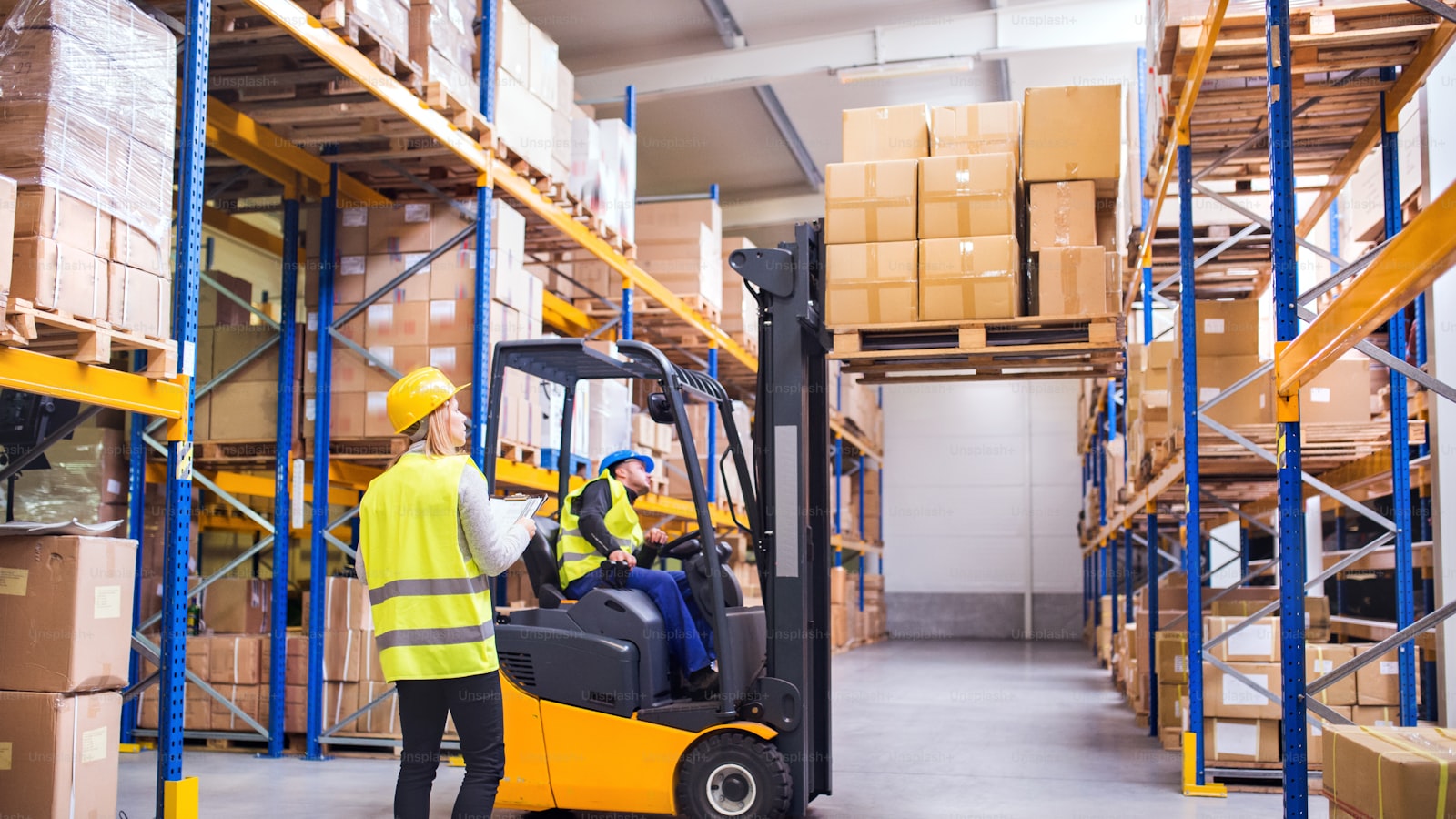
The CPG industry is facing a workforce crisis that shows no signs of slowing down. According to a 2025 study from Deloitte and The Manufacturing Institute, the U.S. manufacturing sector will need to fill roughly 3.8 million positions by 2033, and nearly half of those roles could go unfilled if current trends hold. For CPG manufacturers in food, beverage, dietary supplements, and consumer products, this shortage is not an abstract statistic. It is a daily operational reality that affects production schedules, quality standards, and the ability to grow.
Understanding the Scope of the Problem
The manufacturing labor shortage is driven by several converging forces. An aging workforce is the most significant factor: roughly 25% of the current manufacturing workforce is over the age of 55, and retirements are accelerating faster than companies can backfill positions. At the same time, younger workers have largely overlooked manufacturing as a career path. Decades of cultural messaging that pushed four-year college degrees as the only route to success have steered an entire generation away from skilled trades and production roles.
The skills gap compounds the problem. Modern CPG manufacturing requires competencies that did not exist twenty years ago. Operators need to understand programmable logic controllers, statistical process control, and digital quality systems. Maintenance technicians are expected to troubleshoot automated lines that blend mechanical, electrical, and software components. Finding candidates with this combination of technical knowledge and hands-on ability has become one of the most persistent challenges in the industry.
A 2025 National Association of Manufacturers survey found that 71% of manufacturers reported difficulty attracting and retaining qualified employees, making it the top business challenge for the fourth consecutive year. In the CPG sector specifically, the problem is intensified by production environments that require strict adherence to food safety, GMP compliance, and quality protocols, all of which demand additional training and specialization.
1. Modernize Your Recruitment Approach
If your recruitment strategy still relies primarily on job boards and staffing agencies, it is time for an overhaul. The most successful CPG manufacturers are rethinking how and where they find talent. Community colleges and technical schools represent an enormous, often underutilized pipeline. Building direct partnerships with these institutions allows manufacturers to shape curricula, sponsor apprenticeships, and get in front of students before they enter the job market.
Some forward-thinking companies are going even further by creating their own training academies. These in-house programs take candidates with a baseline aptitude and develop them into skilled operators, quality technicians, or maintenance specialists over the course of several months. The upfront investment is meaningful, but the return is substantial: lower turnover, faster onboarding, and a workforce that is trained specifically for your processes and standards.
Veteran hiring programs also deserve more attention from CPG manufacturers. Military veterans bring discipline, teamwork, leadership, and often direct experience with complex equipment and systems. Organizations like the Manufacturing Institute's Heroes MAKE America program have demonstrated strong results connecting transitioning service members with manufacturing careers. Partnering with these programs can fill critical skills gaps while supporting a community that is actively looking for stable, purpose-driven work.
2. Invest in Upskilling and Cross-Training
Hiring alone will not solve the workforce challenge. The companies that are weathering the labor shortage most effectively are investing heavily in developing the employees they already have. Upskilling programs that help line operators learn quality assurance, that teach quality techs to handle basic maintenance tasks, or that prepare senior operators for supervisory roles create a more flexible and capable workforce.
Cross-training is especially valuable in CPG manufacturing, where production demands fluctuate seasonally and across product lines. When employees can move between roles and departments, a single absence or vacancy does not shut down an entire line. This flexibility also keeps employees engaged. People who feel their skills are growing and evolving are far less likely to leave.
Technology plays a growing role in workforce development. Digital training platforms, augmented reality (AR) systems for maintenance training, and simulation tools for process optimization are making it possible to accelerate learning curves that once took years to flatten. A new technician can now practice troubleshooting a packaging line in a virtual environment before ever touching the actual equipment. For food and beverage manufacturers, these tools can also reinforce food safety and hygiene protocols in a way that traditional classroom training often struggles to accomplish.
3. Rethink Compensation and Benefits
Compensation remains the most direct lever for attracting and retaining manufacturing talent, and the competitive landscape has shifted dramatically. Warehouse and logistics operations, e-commerce fulfillment centers, and even retail positions are now competing for the same labor pool, and many of these employers have raised wages significantly in recent years. CPG manufacturers who have not revisited their compensation structures since before the pandemic are finding themselves at a serious disadvantage.
Beyond base pay, benefits packages matter more than ever. Health insurance, retirement contributions, and paid time off are table stakes. The employers who are winning the talent war are going further with tuition reimbursement, childcare assistance, flexible scheduling options, and clear pathways for career advancement. A production associate who can see a realistic path from the floor to a supervisory or technical specialist role within three to five years is far more likely to stay and invest effort in the company's success.
Shift scheduling deserves specific attention. Many CPG facilities still rely on rigid schedules and mandatory overtime that can quickly lead to burnout. Companies that have introduced more flexible rotation patterns, self-scheduling tools, or even four-day workweek pilots are reporting meaningful improvements in both retention and applicant interest. The cost of accommodating flexibility is almost always lower than the cost of perpetual turnover.
4. Build a Culture That People Want to Be Part Of
Compensation gets people in the door, but culture determines whether they stay. In manufacturing environments, culture often gets overlooked in favor of process and output metrics. That is a mistake. Employees who feel valued, heard, and connected to a larger purpose consistently outperform and outlast those who do not.
Practical steps include establishing regular feedback mechanisms (not just annual reviews), recognizing achievements publicly, involving production teams in continuous improvement initiatives, and ensuring that management is visible and accessible on the floor. Safety culture is another critical component. When employees trust that their employer genuinely prioritizes their well-being over production quotas, engagement and loyalty increase measurably.
For dietary supplement and food manufacturers, where regulatory compliance depends on employee behavior and attention to detail, a strong culture is not just a retention tool. It is a quality and safety imperative. Engaged employees catch deviations, report issues proactively, and take ownership of their work in ways that disengaged workers simply do not.
5. Leverage Automation Strategically
Automation is not a replacement for people. It is a way to make the people you have more productive and to reduce your exposure to positions that are hardest to fill. Repetitive, physically demanding, or hazardous tasks are the best candidates for automation, both because they are difficult to staff and because removing them from human workers improves job quality and safety.
The key is a balanced approach. Automating a palletizing operation might eliminate two positions that you have been unable to fill for months, while simultaneously freeing up resources to invest in higher-skilled roles that are more attractive to job seekers. Collaborative robots (cobots) are gaining traction in CPG facilities precisely because they work alongside human operators rather than replacing them, handling the repetitive lifting and sorting while people focus on quality checks, changeovers, and problem-solving.
When introducing automation, communication with your workforce is essential. Employees who fear that robots are coming for their jobs will disengage or leave. Employees who understand that automation is there to support them, to take over the tasks they dislike most, and to create opportunities for them to develop new skills will embrace the change. The messaging matters as much as the technology.
6. Plan for the Workforce You Will Need, Not Just the One You Have
Too many CPG manufacturers approach workforce planning reactively, scrambling to fill positions only after someone leaves. The companies that manage this challenge best take a proactive, strategic approach. This starts with understanding your current workforce demographics: how many employees are within five years of retirement? Which roles have the highest turnover? Where are the skills gaps that limit your ability to grow or improve operations?
Succession planning is critical, and not just at the executive level. Identifying and developing the next generation of shift leads, quality managers, maintenance supervisors, and plant managers ensures continuity when experienced leaders move on. Formal mentorship programs that pair senior employees with newer team members accelerate knowledge transfer and help preserve institutional expertise that might otherwise walk out the door with every retirement.
Workforce analytics tools can help identify patterns and predict future needs. If your data shows that employees in a particular role tend to leave within 18 months, that is a signal worth investigating. If seasonal demand consistently outpaces your staffing capacity, building a reliable network of trained temporary workers before the surge hits is far more effective than scrambling when orders start piling up.
Turning the Workforce Challenge Into an Opportunity
The labor shortage in CPG manufacturing is real, and it is not going away soon. But manufacturers who approach this challenge strategically can turn it into a competitive advantage. Companies that become known as great places to work, that invest in their people, and that offer genuine career paths will attract the best available talent while their competitors struggle to fill open positions.
The investment does not have to happen all at once. Start with the highest-impact opportunities. If turnover is your biggest pain point, focus on retention strategies first. If you cannot find qualified applicants, prioritize recruitment partnerships and training programs. If aging equipment is making jobs harder and less appealing, target those areas for automation investment.
At Streamline CPG Solutions, we work with manufacturers to assess their workforce challenges and develop practical, executable strategies for building stronger teams. From operational assessments that identify staffing inefficiencies to process optimization projects that reduce labor intensity, we help our clients build operations that attract and retain the talent they need. With over 20 years of hands-on experience in CPG operations, we understand that every facility is different, and we tailor our recommendations accordingly.
Your workforce is the foundation of everything your operation produces. Investing in that foundation is not optional anymore. It is the single most important investment you can make. Reach out to our team to talk about how we can help you build a workforce strategy that positions your operation for long-term success.